feather

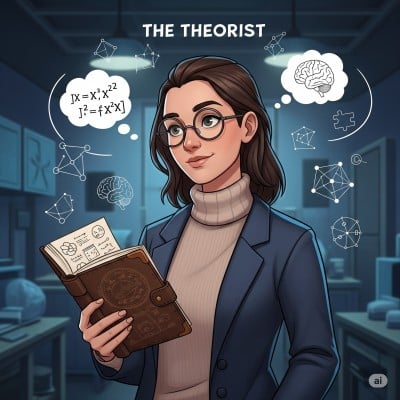
The Theorist

Delves into the psychology behind puzzles and team dynamics in escape rooms.

Bloggers

members
0 Bloggers USING THIS PERSONA
QR Code icon

Assign Persona Instantly

Scan the QR code to link and assign this persona seamlessly.
Quick, secure, and effortless your persona is just one scan away.

QR Code

 The Theorist: Exploring Psychology Behind Puzzles ๐Ÿง 

Escape rooms are far more than locked doors, hidden codes, and puzzles waiting to be solved. At their core, they are psychological laboratories, where human behavior, cognition, and group dynamics are tested in real time โฑ ๏ธ ๐Ÿ‘ฅ. Why do some players thrive under pressure while others freeze? Why do certain puzzles spark joy while others create frustration? How does teamwork evolve in a timed, high-stress environment ๐ŸŽญ ๐Ÿง ?

These are the questions that fascinate The Theorist. Unlike casual enthusiasts who simply enjoy solving puzzles, The Theorist dives deeper, exploring the psychology behind the game ๐ŸŽ‰ โš  ๏ธ. They see escape rooms not just as entertainment but as windows into how people think, behave, and collaborate ๐Ÿ“– ๐ŸŽฏ.

By examining everything from cognitive load to team communication styles, The Theorist provides valuable insights that enrich the escape room community. They show us that every puzzle solved and every mistake made can reveal something about human nature ๐Ÿ“– ๐ŸŒŸ.

Who is The Theorist? ๐Ÿง 

The Theorist is, at heart, a curious observer of people. They may have a background in psychology, sociology, or cognitive science, but even without formal training, they have a keen interest in how humans behave under unique โฑ ๏ธ ๐Ÿ‘ฅ circumstances. Escape rooms, with their blend of stress, play, and collaboration, offer the perfect stage for their analyses.

Core Traits of The Theorist:

  • ๐Ÿง  Psychologically minded: They are fascinated by motivation, learning, and behavior.
  • ๐Ÿ“Š Analytical: They love breaking down why puzzles work the way they do and how players approach them.
  • ๐Ÿ‘€ Observant: They notice patterns in team dynamics that others overlook.
  • ๐Ÿชž Reflective: After a game, they enjoy thinking about what the experience revealed about problem-solving or group interaction.
  • ๐Ÿ“ฃ Educator at heart: They want to share these insights, not just for academic curiosity but to help players and designers grow.

In many ways, The Theorist is the bridge between psychology and play, showing how deeply human thinking shapes escape room experiences. ๐ŸŽ“ ๐Ÿ“Š

Knowledge orbits through timeless precision.

What Does The Theorist Do? ๐Ÿง 

The Theorist’s role goes far beyond simply “playing the game.” They actively study, analyze, and communicate insights about escape room psychology. Their work often falls into three main areas: ๐ŸŽญ ๐Ÿ”

Analyzing Team Dynamics ๐Ÿ‘ฅ

Escape rooms are social experiments disguised as games. โฑ ๏ธ ๐Ÿง 
The Theorist pays close attention to:

  • ๐Ÿงญ Leadership styles: Who naturally takes charge, and how does that affect collaboration?
  • ๐Ÿ’ฌ Communication patterns: Do teams share discoveries openly, or do individuals hoard information?
  • โš– ๏ธ Conflict resolution: How do teams handle disagreements under time pressure?
  • ๐ŸŽญ Personality roles: Who becomes the problem-solver, the clue-finder, the skeptic, or the cheerleader?

By studying these dynamics, The Theorist can explain why some groups succeed and others struggle. ๐Ÿ“Š ๐Ÿ‘ฅ

Examining Puzzle Design ๐Ÿงฉ

The Theorist is fascinated by how puzzles influence behavior. They look at:

  • ๐Ÿง  Cognitive load: How much mental effort does a puzzle require, and when does it become overwhelming?
  • ๐Ÿ“ˆ Learning curves: Does the puzzle design guide players naturally, or does it create unnecessary frustration?
  • ๐ŸŽ‰ Reward systems: What makes solving a puzzle feel satisfying, and how does that differ between players?
  • ๐ŸŒ Accessibility: Are puzzles designed to be inclusive of different learning and thinking styles?

Their insights help designers craft puzzles that are both ๐ŸŽญ ๐Ÿ“– challenging and enjoyable.

Sharing Insights ๐Ÿ“ฃ

The Theorist doesn’t keep their observations private. They write blogs, contribute to forums, or publish articles connecting psychological theory with escape room practice. By doing so, they help both players and designers appreciate the deeper layers of escape room experiences. ๐ŸŒ ๐ŸŽ“

Why is The Theorist Important? ๐Ÿง 

The Theorist brings value to the escape room community in several important ways:

Enhancing Player Understanding ๐Ÿ‘ฅ

By explaining the psychology behind gameplay, The Theorist helps players recognize their own strengths and weaknesses. For example, they might help someone realize they work best under pressure or that they need to improve their listening skills in team settings. ๐Ÿ’ฌ ๐ŸŽฏ

Improving Puzzle Design ๐Ÿงฉ

For designers, The Theorist’s insights are invaluable. Understanding cognitive load, motivation, and teamwork can lead to rooms that are more engaging, balanced, and rewarding. ๐Ÿ‘‚ โฑ ๏ธ

Fostering Team Development ๐Ÿข

Escape rooms are often used for corporate team-building. The Theorist provides frameworks that help organizations understand what escape rooms reveal about communication, leadership, and collaboration. ๐Ÿค ๐Ÿ“ˆ

Deepening Appreciation ๐Ÿ“š

The Theorist enriches the escape room experience by helping people see it not just as a game but as a psychological journey. Their perspective adds depth to the community’s discussions. ๐Ÿ“‹ ๐Ÿ’ผ

Where Can You Find The Theorist? ๐Ÿ“

The Theorist thrives in spaces where psychology and play intersect ๐Ÿ’ฌ ๐ŸŒฑ. You can often find them on:

  • ๐Ÿ“ Academic blogs: Writing thoughtful analyses that connect research with gameplay.
  • ๐Ÿ’ฌ Psychology forums: Discussing problem-solving, teamwork, and learning.
  • ๐Ÿงฉ Escape room review sites: Offering unique reviews that focus on cognitive and social aspects, not just entertainment value.
  • ๐ŸŽง Podcasts and YouTube: Sharing insights in accessible formats that reach both enthusiasts and newcomers.
  • ๐ŸŽช Community events: Speaking at escape room conventions or giving talks on puzzle psychology.

Wherever thoughtful discussion happens, The Theorist is likely nearby, contributing ideas. ๐ŸŒŸ

Logic sparks through mechanical insight.
Discovery unfolds through mapped curiosity.

When Does The Theorist Shine? ๐ŸŒŸ

The Theorist shines in moments of reflection and analysis. While other players may focus on the thrill of solving puzzles, The Theorist asks: ๐ŸŽญ ๐Ÿ“–

  • ๐Ÿงฉ What did this puzzle reveal about how our brains process information?
  • ๐Ÿ‘ฅ How did our team dynamic shift under stress?
  • ๐ŸŽญ Why did this moment feel exciting or frustrating?

They shine brightest after a game, when analyzing experiences and drawing connections between psychology and gameplay. They also excel during ๐Ÿ” ๐ŸŒฑ community discussions, where their insights spark deeper conversations.

How Can You Be a Better Theorist in Escape Rooms? ๐Ÿง 

For those inspired to take on the role of The Theorist, here are strategies to grow:

Study Psychology ๐Ÿ“š

Even a basic understanding of cognitive psychology, learning theory, or social psychology can enrich your insights. ๐Ÿ“– ๐ŸŽ“

Conduct Research ๐Ÿ”ฌ

Explore existing studies on teamwork, problem-solving, and play. Many academic fields have examined dynamics that apply directly to escape rooms. ๐Ÿ“– ๐ŸŒ

Observe Actively ๐Ÿ‘€

When playing, pay attention not just to the puzzles but to how your team interacts. Notice patterns in ๐ŸŽญ ๐Ÿ” leadership, communication, and stress management.

Write Thought-Provoking Articles ๐Ÿ“

Document your insights and share them with the community. The best way to refine your theories is to discuss them with others. ๐ŸŒฑ ๐ŸŽฏ

Engage with the Community ๐Ÿ’ฌ

Join forums, comment on reviews, and start conversations about the psychology of escape rooms. ๐Ÿง  ๐Ÿ—ฃ ๏ธ

Blend Fun with Theory ๐ŸŽ‰

Remember that escape rooms are games. The most effective Theorists balance rigorous analysis with a sense of playfulness. ๐Ÿง  ๐ŸŽˆ

Final Thoughts on The Theorist ๐Ÿง 

Escape rooms are more than just entertainment they are microcosms of human psychology. On the surface, they appear to be collections of puzzles, props, and themes designed to challenge players for sixty minutes. Yet โฑ ๏ธ ๐Ÿ‘ฅ beneath the locks, codes, and riddles lies something far more profound: a dynamic exploration of how people think, communicate, and behave under pressure. The Theorist is the persona who unpacks these hidden layers, helping us see escape rooms not only as games but as living laboratories of human interaction ๐ŸŽญ ๐Ÿ“–.

The Theorist shines a light on the invisible mechanisms that shape how we experience escape rooms. Why do some teams click instantly while others crumble under stress? What makes a puzzle intuitive to one person but baffling to another? How do time pressure and environmental cues alter the way we process information? These are the kinds of questions that the ๐Ÿค โš  ๏ธ Theorist explores, bridging the gap between fun and science. By studying team dynamics, puzzle structures, and decision-making under stress, they reveal insights that extend far beyond the escape room itself ๐Ÿง  โ“.

For players, the Theorist deepens appreciation of the experience. Instead of viewing a puzzle as simply an obstacle to be solved, players begin to ๐Ÿง  ๐Ÿ’ก recognize it as a reflection of human cognition. A word puzzle might expose strengths in linguistic thinking, while a spatial challenge highlights the value of visual reasoning. Team discussions reveal communication styles, ๐Ÿชž ๐ŸŽ‰ leadership tendencies, and the ways different personalities approach conflict or collaboration. Thanks to the Theorist, escape rooms become more than just pastimes they become mirrors in which players can see their own minds at work. ๐Ÿงญ


For designers, the Theorist’s insights are invaluable. By analyzing the ways players approach puzzles, they help creators refine their work to ensure challenges are fair, intuitive, and rewarding ๐Ÿงฉ ๐ŸŽจ. A poorly designed puzzle can frustrate and alienate players, while a well-structured one sparks satisfaction and encourages teamwork. Theorists identify these patterns, providing constructive feedback that improves design quality and enhances the overall player experience. In this sense, they act as partners to creators, helping transform raw ideas into meaningful encounters. ๐Ÿ“Š ๐ŸŽฏ

Organizations, too, benefit from the Theorist’s perspective. Escape rooms are increasingly used as tools for team-building, education, and even ๐Ÿงฉ ๐ŸŒช ๏ธ psychological research. By applying theory to practice, the Theorist helps leaders understand what these experiences reveal about collaboration, leadership, and resilience โณ โšก. A group struggling to communicate inside a room may reflect similar challenges in their workplace; a team that learns to adapt quickly under time pressure may carry that skill into real-world problem solving. Theorists frame these insights in ways that allow escape rooms to transcend entertainment, becoming platforms for growth and discovery ๐ŸŒ ๐Ÿ“–.

What makes the Theorist’s role particularly compelling is their ability to connect the micro with the macro ๐Ÿ“‹ ๐ŸŒฑ. A single locked box becomes a metaphor for problem solving under constraint. A hidden code reveals how humans seek patterns in chaos. A high-pressure countdown exposes our tendency to rush decisions when time feels scarce. In connecting these dots, the Theorist reminds us that every aspect of the escape room has meaning not just in the game, but in the larger context of human behavior โฑ ๏ธ ๐Ÿš€.

This Persona Awaits Its First Hero!

No oneโ€™s chosen this persona yet โ€” itโ€™s a blank canvas waiting for you to bring it to life.
Be the first to claim it, define it, and inspire others with your unique escape room journey. Ready to make it yours?

More Personas

The Comparison Analyst

Compares different escape rooms, analyzing strengths and weaknesses.

The Trendsetter

Highlights the latest trends and innovations in escape rooms.

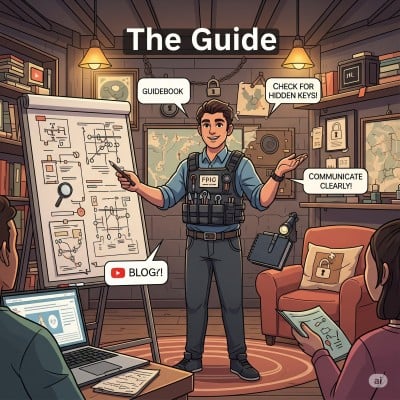
The Guide

Offers tips, tricks, and strategies for players.

The Critic

Provides in-depth reviews and critiques of escape rooms.

The Enthusiast

Shares their passion and personal experiences.

The Story Weaver

Crafts engaging narratives around their escape adventures.

Escaperx Agent